Maintaining good oral health goes beyond brushing and flossing at home. Professional dental cleanings play a critical role in keeping teeth and gums healthy, preventing disease, and catching problems early. However, many patients are unsure about the different types of dental cleanings available and why their dentist might recommend one over another. The most common source of confusion is the difference between a regular dental cleaning and a deep dental cleaning.
Understanding how these cleanings differ and which one you may need can help you feel more confident about your dental care. This article breaks down the key differences between regular and deep dental cleanings, explains what each involves, and highlights why both are essential for long-term oral health.
What Is a Regular Dental Cleaning?
A regular dental cleaning, also known as a prophylactic cleaning, is the type of cleaning most people receive during routine dental visits. This cleaning is designed for patients who generally have healthy gums and no signs of active gum disease. Its primary goal is prevention—keeping plaque and tartar from building up and reducing the risk of cavities and gum inflammation.
Regular cleanings are typically recommended every six months, although some patients may benefit from more frequent visits depending on their oral health, medical history, or risk factors such as smoking or diabetes.
What Happens During a Regular Dental Cleaning?
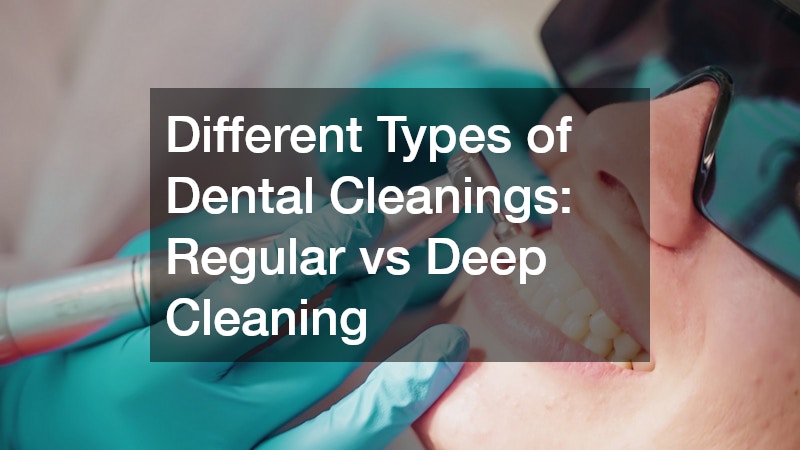
A regular dental cleaning is thorough yet non-invasive and usually comfortable for most patients. During the appointment, a dental hygienist will:
- Remove plaque and tartar above the gumline, focusing on areas that are difficult to clean at home
- Polish the teeth to remove surface stains and create a smooth finish that helps resist future plaque buildup
- Apply fluoride treatment, if appropriate, to strengthen tooth enamel and protect against cavities
- Perform an oral exam and preventive evaluation, checking for early signs of tooth decay, gum disease, or other oral health concerns
These cleanings are an important part of maintaining a healthy smile and preventing more serious dental issues from developing.
What Is a Deep Dental Cleaning?
A deep dental cleaning, also called scaling and root planing, is a more intensive procedure used to treat gum disease. It is recommended when plaque and tartar have built up below the gumline, causing inflammation, infection, and separation between the gums and teeth. This type of cleaning is not routine and is considered a therapeutic treatment rather than preventive care.
Deep cleanings are commonly recommended for patients diagnosed with gingivitis or periodontal disease. Left untreated, gum disease can lead to gum recession, bone loss, and even tooth loss, making deep cleanings a critical step in restoring oral health.
What Happens During a Deep Dental Cleaning?
Deep dental cleanings involve cleaning below the gumline to remove harmful bacteria and promote healing. The process typically includes:
- Scaling, which removes plaque and tartar from beneath the gums and around tooth roots
- Root planing, which smooths the roots of the teeth to help the gums reattach and prevent bacteria from collecting
- Use of local anesthesia to keep patients comfortable during the procedure
- Possible follow-up visits or maintenance cleanings, depending on the severity of the gum disease
Deep cleanings may be completed in multiple appointments and require careful post-treatment care to support healing.
Key Differences Between Regular and Deep Dental Cleanings
While both types of cleanings aim to improve oral health, they serve very different purposes.
Regular dental cleanings are preventive, designed to maintain healthy teeth and gums and prevent disease. Deep dental cleanings are therapeutic, intended to treat existing gum disease and stop its progression.
The health of the gums is a major factor in determining which cleaning is appropriate. Patients with healthy gums typically need only regular cleanings, while those with inflammation, deep pockets, or bone loss may require deep cleaning.
Deep cleanings are more invasive and time-intensive than regular cleanings and often require local anesthesia. Patients may also experience some post-treatment sensitivity or soreness. Additionally, insurance coverage may differ, as deep cleanings are billed differently than routine preventive care.
Signs You May Need a Deep Dental Cleaning
Not everyone will require a deep dental cleaning, but certain symptoms may indicate gum disease and the need for more advanced treatment. Common signs include:
- Persistent bad breath that does not improve with brushing or mouthwash
- Bleeding, swollen, or tender gums
- Gum recession or the appearance of longer teeth
- Deep periodontal pockets are measured during a dental exam
- Loose teeth or changes in how your teeth fit together
- A diagnosis of gingivitis or periodontal disease
If you notice any of these symptoms, it is important to schedule a dental evaluation as soon as possible.
Benefits of Each Type of Dental Cleaning
Benefits of Regular Dental Cleanings
Regular dental cleanings offer numerous benefits for maintaining oral health, including:
- Prevention of cavities and gum disease by removing plaque and tartar buildup
- Early detection of oral health issues allows for less invasive treatment
- Maintenance of healthy gums and teeth, supporting long-term oral wellness
These cleanings are a key component of preventive dental care and help patients avoid more serious problems.
Benefits of Deep Dental Cleanings
Deep dental cleanings provide essential benefits for patients with gum disease, such as:
- Control and management of gum disease, reducing harmful bacteria
- Reduction of inflammation and infection, allowing the gums to heal
- Prevention of tooth and bone loss, protecting the stability of the smile
By addressing gum disease early, deep cleanings can help patients avoid surgical interventions and preserve their natural teeth.
Conclusion
Regular and deep dental cleanings serve different but equally important roles in oral health. Regular cleanings focus on prevention and maintenance, while deep cleanings are designed to treat gum disease and restore gum health. Understanding the differences between these two types of cleanings can help patients feel more informed and confident about their dental care.
If you are unsure which type of dental cleaning you need, the best step is to consult a dental professional. A personalized evaluation can ensure you receive the appropriate treatment to protect your smile and support long-term oral health.