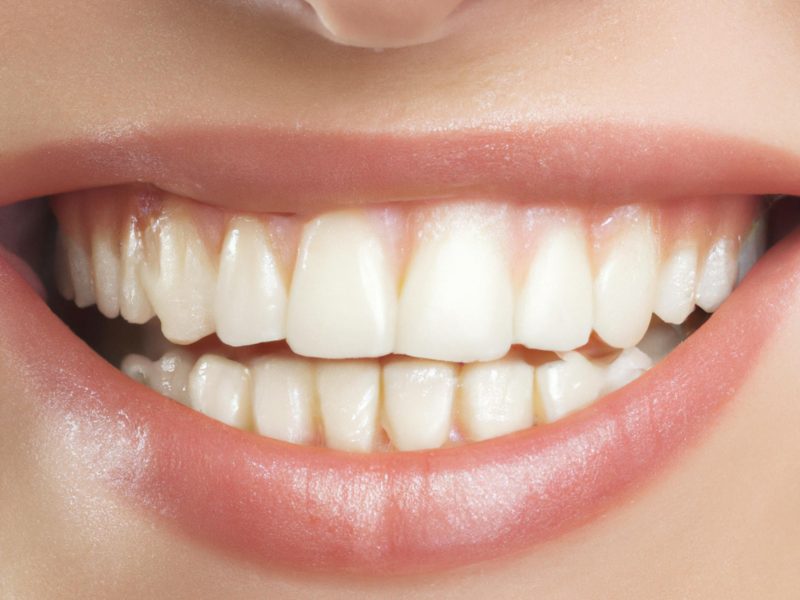
A healthy, confident smile is one of the most valuable assets you can have. It affects how you look, how you feel, and even how others perceive you. It can influence first impressions, boost self-confidence in social and professional settings, and even impact how often you smile or speak up. The good news is that modern dental care has evolved far beyond simple cleanings and fillings. Today, patients have access to advanced treatments that can restore function, improve aesthetics, and support long-term oral health—often with greater comfort and faster recovery than ever before.
What makes today’s approach different is the focus on personalization. Instead of one-size-fits-all solutions, treatment plans are tailored to your specific needs, goals, and lifestyle. Whether you’re dealing with long-standing dental issues or simply want to enhance your smile, there are options designed to meet you where you are.
At the same time, having so many options can feel overwhelming. Should you focus on prevention, repair existing issues, or enhance your smile? The answer is often a combination of all three. Skipping foundational care can lead to problems later, while focusing only on function without considering aesthetics may leave you less satisfied with the final result. The key is understanding how each piece fits together so you can make informed decisions and prioritize what matters most to you.
How to Choose the Right Provider for You

Choosing the right provider sets the foundation for every decision that follows. Not all providers offer the same services, experience, or approach, so taking the time to evaluate your options is critical. The right provider won’t just treat problems—they’ll guide you through your options, help you understand the “why” behind each recommendation, and build a plan that supports your long-term goals.
A strong provider relationship is built on trust, communication, and consistency. You should feel comfortable asking questions, expressing concerns, and discussing both short-term needs and long-term plans. When you find the right fit, dental care becomes less stressful and more proactive, making it easier to stay on track and achieve lasting results.
Know What to Look for Before Booking an Appointment
Start by researching local dentists in your area. Look beyond basic listings and dig into:
- Patient reviews and testimonials
- Before-and-after photos of treatments
- Range of services offered
- Years of experience and certifications
A strong provider will not only offer quality care but also communicate clearly and make you feel comfortable.
Evaluate the Environment and Patient Experience
When you visit a dental office, pay attention to more than just the treatment itself. The overall experience can tell you a lot about the quality of care you’ll receive and how comfortable you’ll feel long-term.
Start with the basics, but look a little deeper:
- Cleanliness and organization: The space should feel clean, well-maintained, and organized. This reflects attention to detail and proper hygiene standards.
- Front desk and staff interactions: Are you greeted warmly? Do they answer questions clearly? The way staff communicates often mirrors how the entire practice operates.
- Transparency in communication: A good office will explain procedures, timelines, and costs upfront. You should never feel rushed or pressured into making decisions.
- Use of modern technology: Updated equipment can improve accuracy, comfort, and efficiency. Digital imaging, streamlined check-ins, and clear visuals for treatment plans are all good signs.
- Wait times and scheduling flow: Consistently long wait times or disorganized scheduling may indicate poor time management, which can become frustrating over time.
Pay Attention to How You Feel During the Visit
Beyond the physical environment, your personal comfort matters just as much.
Ask yourself:
- Do you feel listened to and respected?
- Are your concerns taken seriously?
- Does the provider take time to explain your options?
You should feel like a partner in your care—not just a patient being processed through appointments.
Look for Signs of a Patient-Focused Approach
The best offices go beyond basic care and focus on the overall experience.
These may include:
- Flexible scheduling options
- Clear follow-up instructions after visits
- Willingness to adjust treatment plans to your needs
- A calm, welcoming atmosphere that reduces anxiety
Why This Matters Long-Term
Dental care isn’t a one-time experience—it’s an ongoing relationship. Choosing an office where you feel comfortable and confident makes it much easier to stay consistent with visits and address issues early.
When the environment is positive and the experience is smooth, you’re more likely to:
- Keep regular appointments
- Follow through with recommended treatments
- Maintain better overall oral health
In the long run, the right environment doesn’t just improve your experience—it improves your results.
Why Convenience Impacts Long-Term Care
Convenience plays a bigger role than many people realize. Choosing local dentists makes it easier to stay consistent with appointments and address issues quickly.
Benefits include:
- Easier scheduling
- Faster response for emergencies
- Less likelihood of skipping visits
Consistency is one of the most important factors in maintaining a healthy smile.
Build a Strong Foundation with Preventive Care
Preventive care is the backbone of long-term oral health. Without it, even the most advanced treatments won’t last. Fillings, crowns, aligners, and cosmetic work all depend on a healthy environment to succeed. When prevention is neglected, problems tend to return—often more severe and more expensive to fix.
Think of preventive care as protecting your investment. The time you spend on daily habits and routine checkups directly impacts how long your results last and how often you’ll need additional treatment.
Create a Daily Routine That Actually Works
Your daily habits matter more than any single dental visit. What you do consistently at home has the biggest influence on your oral health over time.
Focus on:
- Brushing twice a day with fluoride toothpaste: Brushing removes plaque buildup and strengthens enamel. Aim for at least two minutes each time, making sure to reach all surfaces—including along the gumline and the back teeth.
- Flossing daily to remove plaque between teeth: Your toothbrush can’t reach between teeth where food and bacteria often collect. Flossing helps prevent cavities and gum disease in these hard-to-reach areas.
- Limiting sugary foods and drinks: Sugar feeds the bacteria that cause decay. It’s not just how much sugar you consume, but how often. Frequent snacking or sipping sugary drinks throughout the day increases your risk.
Consistency is more important than perfection. Small, repeated actions create lasting results.
Take Your Routine One Step Further
If you want to elevate your daily care, consider adding a few simple upgrades:
- Use an electric toothbrush for more consistent cleaning
- Add an antibacterial mouthwash to reduce bacteria and freshen breath
- Replace your toothbrush or brush head every 3–4 months
- Stay hydrated to support saliva production, which naturally protects your teeth
These small improvements can make a noticeable difference over time.
Avoid Common Daily Mistakes
Even with good intentions, many people unknowingly damage their teeth through everyday habits.
Watch out for:
- Brushing too hard, which can wear down enamel and irritate gums
- Skipping flossing because it feels time-consuming
- Using a worn-out toothbrush that no longer cleans effectively
- Brushing immediately after acidic foods or drinks, which can weaken enamel
Being mindful of these habits helps you get the full benefit of your routine.
Why Preventive Care Pays Off Long-Term
When you stay consistent with daily care, you:
- Reduce the risk of cavities and gum disease
- Avoid costly and time-consuming procedures
- Maintain a brighter, healthier smile
- Support the longevity of any past dental work
Preventive care isn’t complicated, but it does require commitment. The more consistent you are, the fewer problems you’ll face—and the easier it becomes to maintain a healthy, confident smile.
Why Regular Professional Care Matters
Routine teeth cleaning appointments help remove buildup that brushing alone can’t handle.
In addition to cleaning, these visits allow providers to:
- Detect early signs of decay or gum disease
- Monitor changes in your oral health
- Provide personalized recommendations
Family dental care makes it easier to keep everyone on track, especially for households with multiple schedules.
Catch Problems Before They Become Expensive
Early detection can save you significant time and money.
Watch for:
- Tooth sensitivity
- Bleeding gums
- Persistent bad breath
Addressing these signs early helps prevent more complex treatments later.
Restore Function Before Focusing on Appearance

Before enhancing your smile, it’s essential to ensure everything is functioning properly. Aesthetic improvements won’t last if the underlying structure isn’t healthy.
Identify When Teeth Need Repair or Replacement
You may need restorative care if you experience:
- Persistent pain or sensitivity
- Cracked or chipped teeth
- Missing teeth
- Difficulty chewing
Ignoring these issues can lead to further damage and more complex procedures.
Understand Your Options for Restoring Function
Restorative dentistry focuses on repairing and rebuilding damaged teeth.
Common solutions include:
- Fillings for minor decay
- Crowns for weakened teeth
- A dental bridge to replace one or more missing teeth
Each option serves a specific purpose, and the right choice depends on your individual needs.
Prioritize Long-Term Stability and Comfort
It’s important to choose solutions that provide lasting results.
Consider:
- Durability of materials
- Impact on surrounding teeth
- Maintenance requirements
A strong foundation ensures that any cosmetic improvements you make will hold up over time.
Straighten Your Smile with Modern Solutions
Alignment plays a major role in both function and appearance. Modern options make it easier than ever to correct issues discreetly.
Know When Alignment Issues Need Correction
Common signs include:
- Crowded or overlapping teeth
- Gaps between teeth
- Bite problems
These issues can affect not only appearance but also oral health.
Compare Traditional and Modern Options
Today’s orthodontic treatment options are more flexible than ever.
Invisalign has become a popular choice because:
- It’s nearly invisible
- It’s removable for eating and cleaning
- It offers greater comfort compared to traditional braces
Other orthodontic treatment options may still be recommended depending on the complexity of your case.
What to Expect During the Process
Straightening your teeth takes time and commitment.
Expect:
- Regular adjustments or aligner changes
- Consistent wear for best results
- Periodic check-ins with your provider
Following instructions closely ensures optimal outcomes.
Enhance Your Smile with Cosmetic Improvements
Once your teeth are healthy and aligned, cosmetic treatments can take your smile to the next level.
Decide What You Want to Improve
Start by identifying your goals:
- Whiter teeth
- More uniform shape
- Improved symmetry
Clear goals help guide your treatment plan.
Explore Popular Cosmetic Options
There are several ways to enhance your smile, including:
- Professional whitening for brighter teeth
- Bonding for minor imperfections
- Contouring for reshaping
One of the most transformative options is veneers. Understanding the benefits of veneers can help you decide if they’re right for you.
Benefits include:
- Natural appearance
- Long-lasting results
- Ability to correct multiple issues at once
Choose the Right Professional for Aesthetic Work
Working with a cosmetic dentist ensures your results look natural and balanced.
Look for:
- Experience with cosmetic procedures
- A portfolio of past work
- A personalized approach to treatment
A skilled provider can make a significant difference in the final outcome.
Combine Treatments for the Best Results
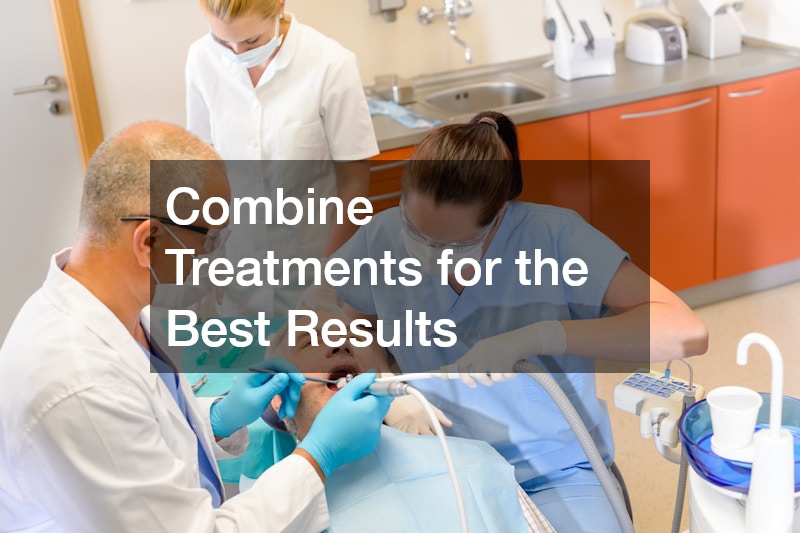
The best smiles often come from a combination of treatments rather than a single procedure.
Why a Comprehensive Approach Works Better
Addressing multiple issues at once allows for:
- Better overall results
- Improved function and aesthetics
- More efficient treatment timelines
Build a Personalized Treatment Plan
A good plan considers:
- Your current oral health
- Your goals and preferences
- The sequence of treatments
For example, you may need to:
- Address decay or damage
- Straighten teeth
- Enhance appearance
Avoid Common Mistakes in Smile Makeovers
Common pitfalls include:
- Skipping foundational treatments
- Choosing quick fixes over long-term solutions
- Not planning the full process in advance
A strategic approach leads to better, longer-lasting results.
Maintain Your Results Long-Term
Once you’ve achieved your ideal smile, maintaining it becomes the priority.
Protect Your Investment with Daily Habits
Continue practicing good oral hygiene:
- Brush and floss consistently
- Use recommended products
- Avoid habits that can damage teeth
Stay Consistent with Professional Visits
Regular checkups help maintain your results and catch any issues early.
Your provider can:
- Monitor wear and tear
- Adjust treatments if needed
- Provide ongoing guidance
Know When to Address Changes Early
Even with proper care, changes can occur over time.
Watch for:
- Shifting teeth
- Discoloration
- Sensitivity
Addressing these early helps preserve your results.
Modern Dental Care
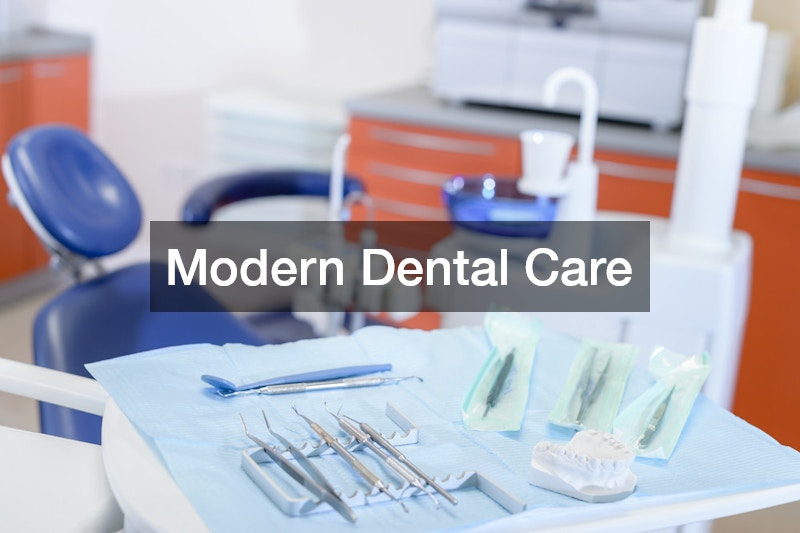
Modern dental care offers more opportunities than ever to achieve a healthy, confident smile. By understanding your options and taking a proactive approach, you can make informed decisions that support both function and aesthetics.
The key is to focus on the full picture—prevention, restoration, and enhancement working together. When you invest in the right care and maintain consistent habits, your smile becomes something you can rely on for years to come.
Taking the time to plan your approach and choose the right solutions will not only improve your oral health but also boost your confidence in everyday life.