Navigating the world of dental care can feel overwhelming, especially when you’re trying to understand which services you actually need and when. From routine cleanings to specialized treatments, each type of dental service plays a unique role in maintaining your oral health. Knowing the differences helps you make smarter decisions, avoid unnecessary costs, and stay proactive about your long-term well-being.
This guide breaks down the most common types of dental services, explains when to seek each one, and offers practical tips you can use right away. Whether you’re managing your own care or coordinating for your household, you’ll walk away with a clearer, more confident approach to maintaining healthy teeth and gums.
How to Choose the Right Provider for Your Needs
Finding the right dentists office is one of the most important decisions you can make for your oral health. The provider you choose will influence not only the quality of your care but also how comfortable and confident you feel during each visit. Many people overlook how much the environment, staff communication, and overall approach to treatment can impact their long-term experience. A well-run office should make you feel informed, respected, and at ease from the moment you walk in. If you’re managing care for multiple people, choosing a family dentist can make scheduling and coordination significantly easier. Instead of juggling multiple providers, you can streamline appointments and build a consistent relationship with a single team.
Start by evaluating what matters most to you:
- Convenience (location, hours, emergency availability)
- Range of services offered under one roof
- Comfort level with the staff and environment
- Insurance compatibility and transparent pricing
Before committing, ask questions like:
- What services are handled in-house vs. referred out?
- How do they handle urgent situations?
- What is their approach to preventive care?
Taking the time to evaluate your options now can save you from frustration later. A provider who communicates clearly and prioritizes your comfort will make it much easier to stay consistent with your care.

What Routine Care Should Include for Long-Term Health
Routine dental care is the foundation of a healthy smile and plays a major role in preventing serious issues down the line. Many people underestimate how much general dentist services can do beyond simple cleanings. These visits are designed to catch problems early, often before you notice any symptoms at all. Early detection can mean the difference between a minor fix and a more complex, costly procedure. Regular checkups also allow your provider to monitor changes in your teeth and gums over time, giving you a more personalized approach to care. When you stay consistent with these visits, you reduce your risk of cavities, gum disease, and other complications.
Most preventive visits include:
- Professional cleanings to remove plaque and tartar
- Comprehensive exams to detect early issues
- X-rays to monitor changes below the surface
- Fluoride treatments when needed
To get the most out of your routine care:
- Schedule appointments every 6 months (or as recommended)
- Keep a list of any symptoms or concerns to discuss
- Follow through with suggested treatments promptly
At home, consistency matters just as much:
- Brush twice daily with fluoride toothpaste
- Floss at least once a day
- Limit sugary snacks and drinks
Building a strong routine both at home and in the dental chair creates a powerful defense against common oral health issues. The more consistent you are, the less likely you are to face unexpected problems.
When Your Child Needs Specialized Attention
Children require a different approach to dental care, and understanding when to seek specialized help is essential for their development. A pediatric dentist is trained to address the unique needs of growing teeth and gums, as well as the behavioral challenges that can come with treating younger patients. These providers focus on making visits comfortable and educational, helping children build positive associations with dental care early on. Dental care for children should begin sooner than many parents expect, often as early as the first tooth or first birthday. Early visits are less about treatment and more about prevention, guidance, and familiarity. This proactive approach helps identify potential concerns before they become serious issues.
Signs your child may need specialized care include:
- Persistent discomfort or sensitivity
- Delayed or unusual tooth development
- Difficulty cooperating during standard visits
- Early signs of alignment or spacing concerns
To prepare your child:
- Talk positively about the visit
- Avoid using fear-based language
- Bring a comfort item if needed
Creating a supportive and calm experience can make a significant difference in how your child views dental care. The goal is to build trust and confidence, not just complete a checkup. When children feel safe and understood, they are far more likely to maintain good habits as they grow.
Creating Positive Dental Experiences for Kids
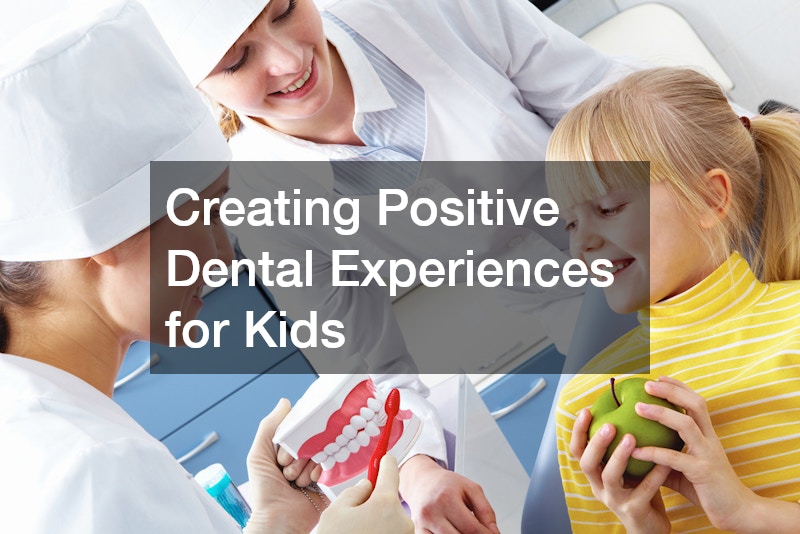
A child’s early experiences can shape their attitude toward dental care for life, which is why creating a positive environment is so important. A childrens dentist often uses specialized techniques to ensure that each visit feels safe, engaging, and even fun. This approach goes beyond just treating teeth—it focuses on building trust and reducing anxiety. Children who feel comfortable are more likely to cooperate during appointments and maintain healthy habits at home. Positive reinforcement, clear communication, and a welcoming atmosphere all contribute to a better overall experience. Parents also play a critical role in reinforcing these positive feelings outside of the dental setting.
Common techniques used include:
- Friendly, non-threatening language
- Interactive explanations of tools and procedures
- Shorter, more engaging appointments
As a parent, you can help by:
- Staying calm and supportive during visits
- Avoiding transferring your own dental anxieties
- Praising your child after appointments
At home, make oral care fun:
- Use colorful toothbrushes or flavored toothpaste
- Set a timer or play a song while brushing
- Turn flossing into a simple routine
Consistency and encouragement help children feel more in control of their routines. Over time, these small efforts build confidence and independence. A positive foundation makes it much easier for kids to carry good habits into adulthood.
Improving Your Smile with Modern Aesthetic Treatments
Many people seek dental care not just for health reasons, but also to improve the appearance of their smile. Cosmetic dentistry has evolved significantly, offering a wide range of options that can address discoloration, uneven teeth, and other concerns. These treatments are designed to enhance your natural features while maintaining functionality. Choosing the right option depends on your goals, lifestyle, and budget. Some procedures are quick and minimally invasive, while others require more planning and long-term commitment. Understanding what each treatment involves helps you make informed decisions that align with your expectations.
Common options include:
- Teeth whitening for removing stains
- Veneers for reshaping and covering imperfections
- Bonding to repair chips or gaps
Before choosing a treatment, consider:
- Your long-term goals
- Maintenance requirements
- Budget and expected lifespan
To maintain results:
- Avoid staining foods and drinks when possible
- Practice excellent oral hygiene
- Schedule regular checkups
Cosmetic improvements can boost confidence, but they also require ongoing care to maintain their appearance. Staying consistent with your routine will help preserve your results for years.

Replacing Missing Teeth with Long-Term Solutions
Missing teeth can affect far more than just your smile, impacting your ability to eat, speak, and maintain proper jaw alignment. Dental implants have become one of the most reliable solutions for replacing missing teeth because they closely mimic the structure of natural teeth. Unlike temporary options, implants provide a stable and long-lasting foundation that integrates with your jawbone. This integration helps prevent bone loss, which is a common issue after tooth loss. The process may take several months, but the results are often worth the time and effort. Understanding each step of the procedure helps you feel more prepared and confident moving forward.
The process typically includes:
- Initial consultation and imaging
- Placement of the implant
- Healing period for integration
- Attachment of the final restoration
Benefits include:
- Natural look and feel
- Improved chewing ability
- Prevention of bone loss
Aftercare is crucial:
- Maintain strict oral hygiene
- Avoid smoking
- Attend all follow-up appointments
Committing to proper aftercare is essential for long-term success. Small daily habits can make a big difference in preserving your results.
Straightening Teeth and Fixing Bite Issues Effectively
Alignment issues can impact both your appearance and your overall oral health, making corrective treatment an important consideration. Orthodontists specialize in diagnosing and treating problems related to tooth positioning and bite alignment. Straight teeth are easier to clean, which reduces the risk of cavities and gum disease. Proper alignment also helps distribute pressure evenly when you chew, preventing unnecessary strain on your jaw. Modern treatment options have made it easier than ever to achieve these results, with solutions that fit a variety of lifestyles. Whether you choose traditional braces or clear aligners, consistency is key to success.
Common treatment options include:
- Traditional braces
- Clear aligners
- Retainers for maintenance
Helpful tips during treatment:
- Clean teeth thoroughly after every meal
- Avoid foods that can damage appliances
- Keep all scheduled adjustments
Staying disciplined throughout treatment ensures steady progress and better results. Even small lapses in care can delay your timeline. By following your provider’s instructions closely, you can achieve a healthier, more aligned smile.

Handling Urgent Dental Problems Without Delay
Dental emergencies can happen at any time and often require immediate attention to prevent further complications. Emergency dentists are trained to handle urgent situations quickly and effectively, helping to relieve pain and protect your oral health. Ignoring a problem or delaying treatment can lead to more serious issues, including infections or permanent damage. Knowing how to recognize an emergency and respond appropriately can make a significant difference in the outcome. Being prepared also reduces stress when unexpected situations arise.
Common emergencies include:
- Severe tooth pain
- Knocked-out or broken teeth
- Infections or swelling
If an issue occurs:
- Rinse your mouth gently with warm water
- Apply a cold compress to reduce swelling
- Avoid using the affected area
Preparation tips:
- Keep contact information for a trusted provider handy
- Know your insurance coverage
- Have a basic dental first-aid kit
Acting quickly and staying calm can help you manage the situation effectively. The sooner you receive care, the better your chances of preserving your oral health. Preparation and awareness go a long way in handling unexpected issues.
How to Coordinate Care Across Multiple Specialists
Managing your dental care sometimes involves working with more than one provider, especially when specialized treatments are needed. General dentist services often serve as the starting point, identifying issues and coordinating referrals to other professionals such as orthodontists. This collaborative approach ensures that each aspect of your care is handled by the right expert. However, it also requires clear communication and organization on your part. Keeping track of appointments, treatment plans, and recommendations can feel overwhelming without a system in place. Understanding how these providers work together helps you stay in control of your care.
To manage this effectively:
- Keep copies of your records and imaging
- Ask for clear treatment timelines
- Ensure all providers are aware of ongoing treatments
Questions to ask:
- How treatments will overlap
- Which procedures should be prioritized
- What to expect at each stage
Staying organized reduces confusion and prevents delays in your treatment. Clear communication between providers leads to better outcomes. Taking an active role in coordination helps ensure that every step supports your overall dental health goals.
Building a Personalized Dental Care Plan That Works
Creating a personalized plan is one of the most effective ways to maintain consistent oral health over time. A family dentist can help tailor your care based on your unique needs, lifestyle, and risk factors. This approach ensures that you’re not just reacting to problems, but actively preventing them. Dental care for children should also be integrated into this plan, making it easier to manage care for your entire household. A structured routine helps reduce stress and keeps everyone on track with their appointments and daily habits.
Helpful strategies include:
- Scheduling regular checkups for everyone
- Setting reminders for daily hygiene routines
- Budgeting for both routine and unexpected care
Additional tips:
- Use a shared calendar for appointments
- Keep dental supplies stocked and accessible
- Reinforce habits through routine
A well-planned approach makes it easier to stay consistent and proactive. Small efforts add up over time and contribute to long-term success. With the right structure in place, maintaining oral health becomes a natural part of your routine.
Taking Control of Your Long-Term Oral Health
Understanding the different types of dental services available gives you the knowledge and confidence to make better decisions about your care. When you know what to expect and when to seek help, you’re less likely to delay treatment or overlook important warning signs. This proactive approach helps you avoid unnecessary complications and maintain a healthier smile over time.
By staying consistent with your routine, asking the right questions, and choosing providers who align with your needs, you can take full control of your oral health. The more informed you are, the easier it becomes to build habits that support long-term wellness.